MOBA
Overview
[ Responsibilities ]
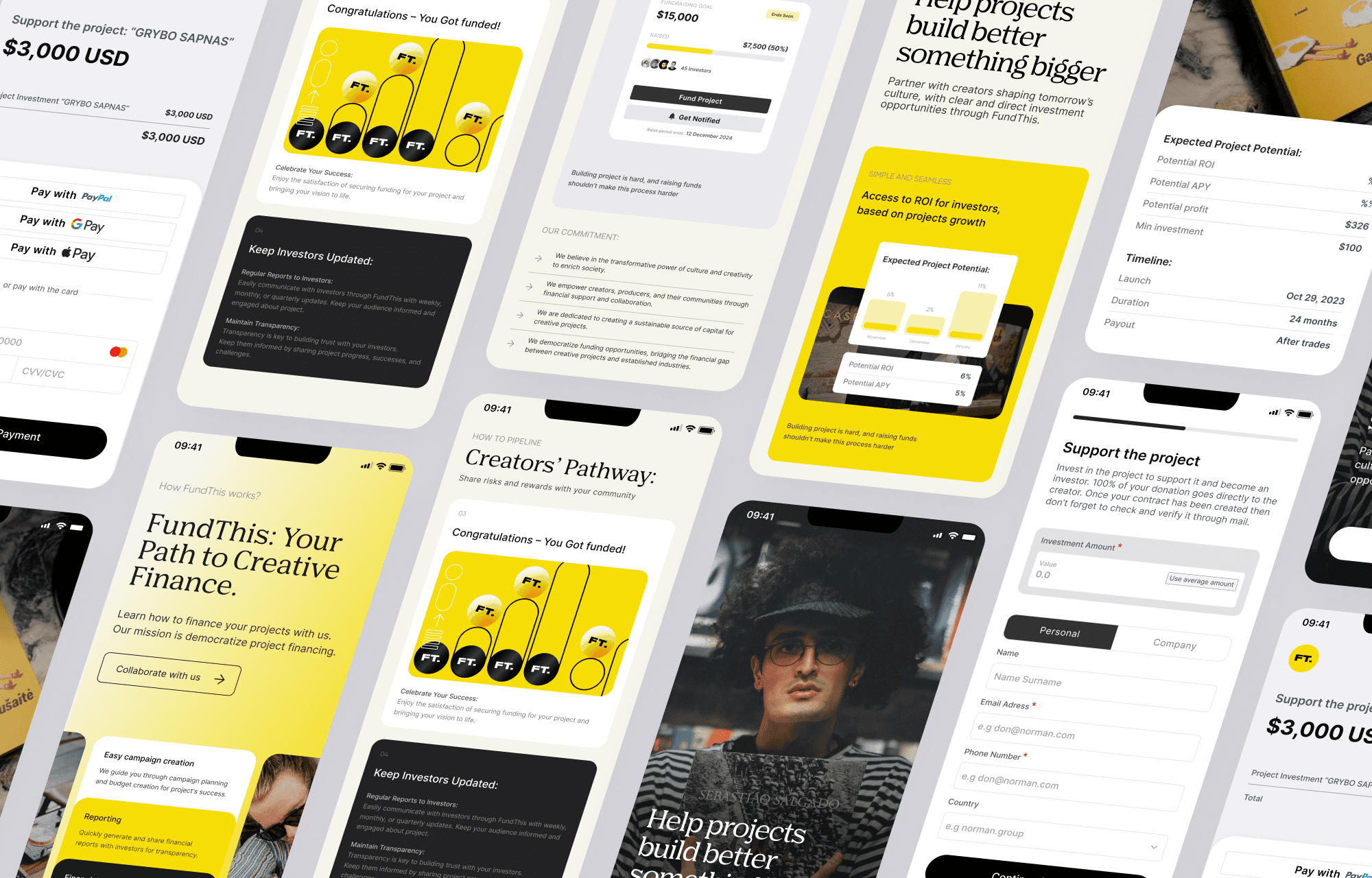
Product Design / UI&UX / Brand Identity / Visual design
Content
2024-2025
[ Branding, Website Design, visual design ]

Designing a Reward Layer for the Dota 2 Ecosystem
As the Product Designer on MOBA, my goal was to craft a functional and engaging experience that rewards Dota 2 players for their in-game activity. The challenge wasn’t just to design an app—it was to conceptualize, prototype, and validate a product from the ground up within a fast-paced startup environment.
I led the design process from user research to interface execution, focusing on enhancing the core game loop by introducing a social and economic layer around gameplay. My responsibilities included defining the product vision, mapping user flows, and designing an interface that felt native to gamers while serving startup goals like early monetization and retention.
The biggest challenge was balancing rapid iteration with meaningful UX decisions. We needed to test our hypothesis fast, validate with real users, and lay a scalable design foundation—under tight timelines and evolving requirements. This project pushed me to blend startup thinking with gamer-centric design, ultimately delivering a prototype ready for real-world traction.

Created low- and high-fidelity wireframes for key product features
Designed a responsive interface optimized for Telegram and WebApp
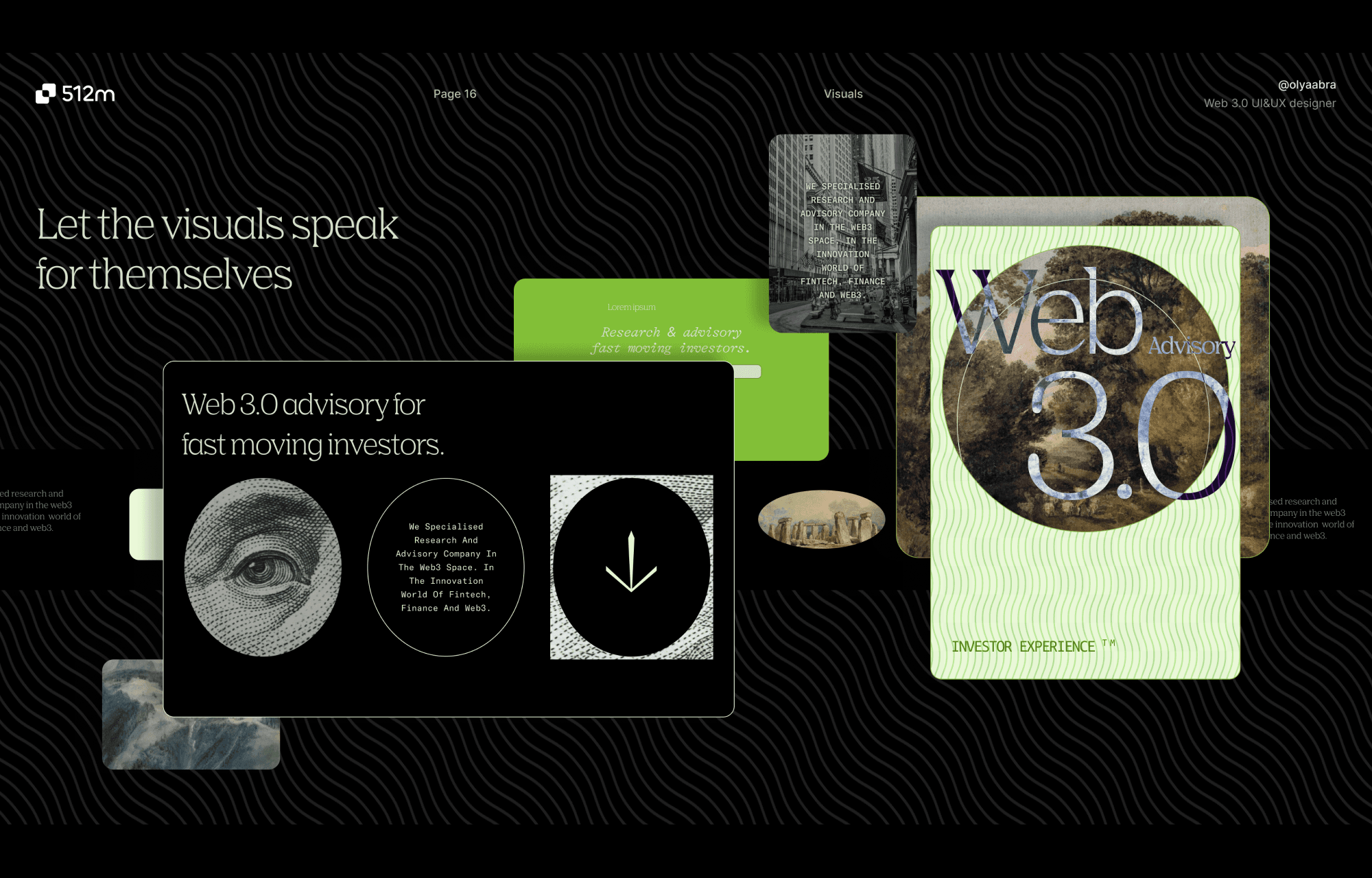
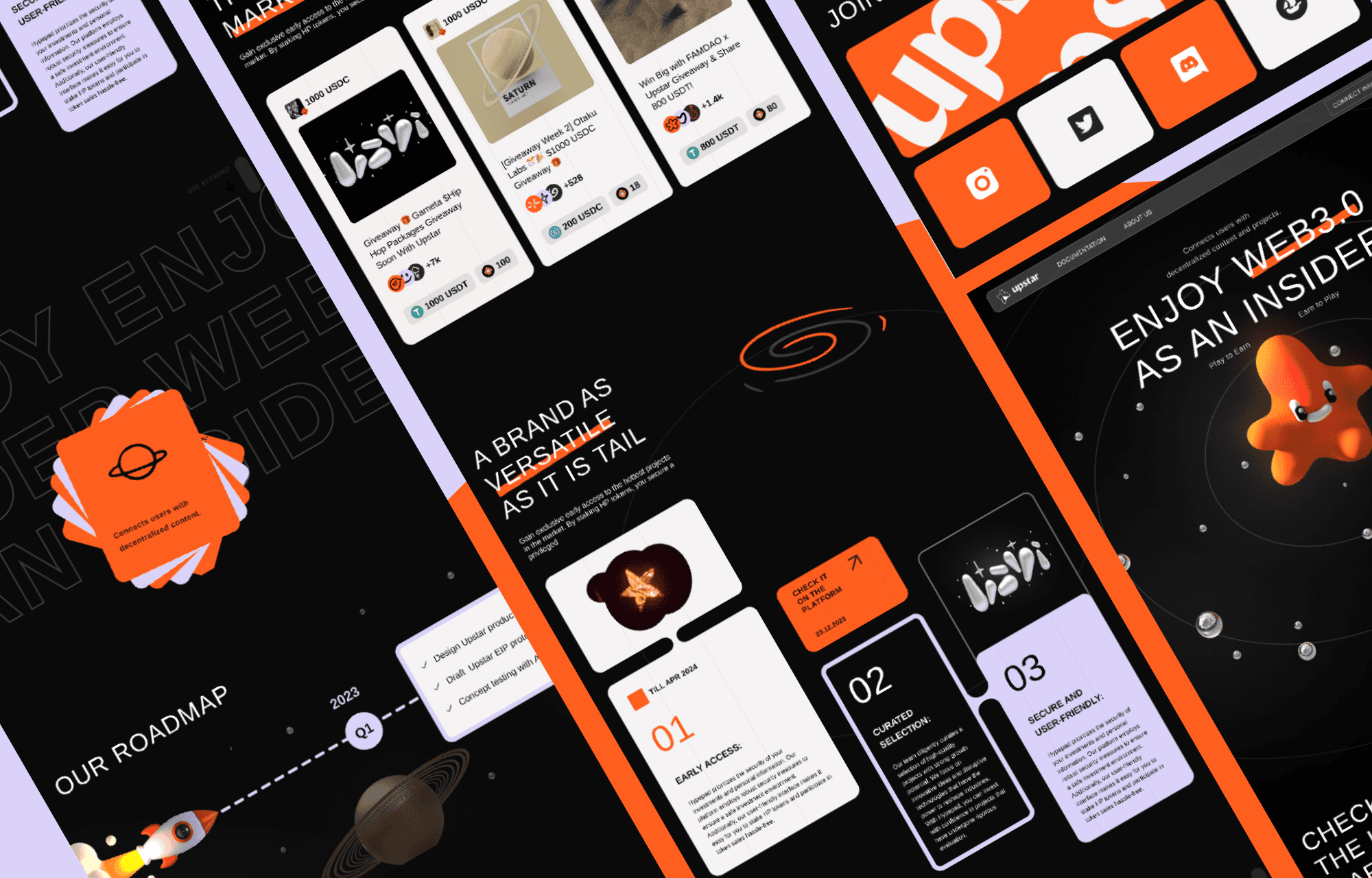
Website Design
User flows and key use cases
Pitch Deck


[ MOBA Goals ]
Design the UI for the MVP from scratch
In the first phase, I led the UI design for the mobile app within the TON ecosystem. My role was to define the product’s visual and interactive language from the ground up, ensuring usability while aligning with technical constraints. I also supported the planning of a scalable design system for the second phase — a web app with extended feature sets.
Validate the business model and test product hypotheses
I helped prioritize core features based on user flows and early testing goals, enabling rapid prototyping and lean development. My design decisions were grounded in the product’s go-to-market strategy, ensuring we could quickly test assumptions with real users.Support in raising $500k for scaling
I worked closely on the creation of pitch decks and whitepapers, using clear design systems and storytelling to communicate the product’s value and roadmap. These assets played a key role in investor outreach and fast-tracked our fundraising efforts.Go-to-market and emotional connection
To attract early adopters and build community trust, I created engaging visuals and crafted narratives that resonated with MOBA’s target audience. My design work included branded content for events and conferences — from digital rollups and 3D token mockups to NFT visualizations — all designed to establish credibility and emotional engagement.Build a consistent visual identity
I created MOBA’s first brand guidelines, defining its look and feel across platforms. This ensured visual consistency and streamlined collaboration across design, development, and marketing.
The Background Story: Ideas Behind MOBA


As lifelong gamers and Web3 enthusiasts, we’ve always believed gaming is about more than just entertainment.


GG is more than a web3 protocol — it’s a social movement empowering players, enhancing gaming communities & entirely reimagining the creation and distribution of value in eSports
Onboarding:
Players connect their game accounts to MOBA’s platform (e.g., Dota 2 in Steam), provide an access to the in-game data, and gain access to new features like self-wagering, quests, and other mechanics.

Performance Verification:

Seamless Experience:

// 1
60%+ of players are concentrated in Eastern Europe, CIS, and China—markets where popular cost-efficient blockchains such as TON already have a significant level of adoption.
// 2
Its hardcore community sets a high bar, making success here a strong foundation for scaling.
// 3
It’s a game we love and understand in smallest details on top of >99 years of combined playing experience of the team. The passion of building the top-tier product for game we play and community we are deeply involved powers our creativity and execution as a team.


[ UI Designer ]
As a core member of the team, I worked across both UI and product design functions — shaping the user experience, defining the visual direction, and collaborating closely with developers to bring the product to life efficiently and effectively.
I contributed to product strategy by designing user flows, identifying key features, and guiding how they should evolve. My role bridged product thinking and execution — from fast screen delivery to building visual narratives that supported growth and market expansion.
Developed and implemented a scalable design system and UI kit
Defined and maintained the visual identity of the brand
Designed user flows and prioritized features to align with business goals
Collaborated with developers to ensure efficient and adaptable implementation
Created marketing visuals and storytelling assets for go-to-market efforts
Designed assets for investor materials (pitch decks, whitepapers)
Delivered event and community visuals (NFTs, rollups, 3D models)


The Telegram app became our first launchpad
Since our target audience already overlaps with the TON ecosystem, it provided a ready-made, affordable user base — making it the perfect environment for rapid product testing. The Telegram app became our first launchpad to test community engagement and market potential.
I personally enjoyed building within the Telegram infrastructure. The use of bots and push notifications allowed for efficient communication and tight feedback loops. However, as a designer, one of the biggest challenges I faced was crafting a smooth onboarding and authentication flow — especially given the technical complexity of integrating with three external platforms: Moba, Steam, and Stratz.
To access the full app experience, users had to pass through a multi-step onboarding process — but at the MVP stage, the feature set was still quite limited.
Steam Link Integration
Enabled users to authenticate via Steam directly in the app, unlocking their first game stats and profile setup.

Stratz Quest Feature

Leaderboard Motivation

This onboarding redesign became a critical step in helping us test core features while keeping users engaged — even before full login.

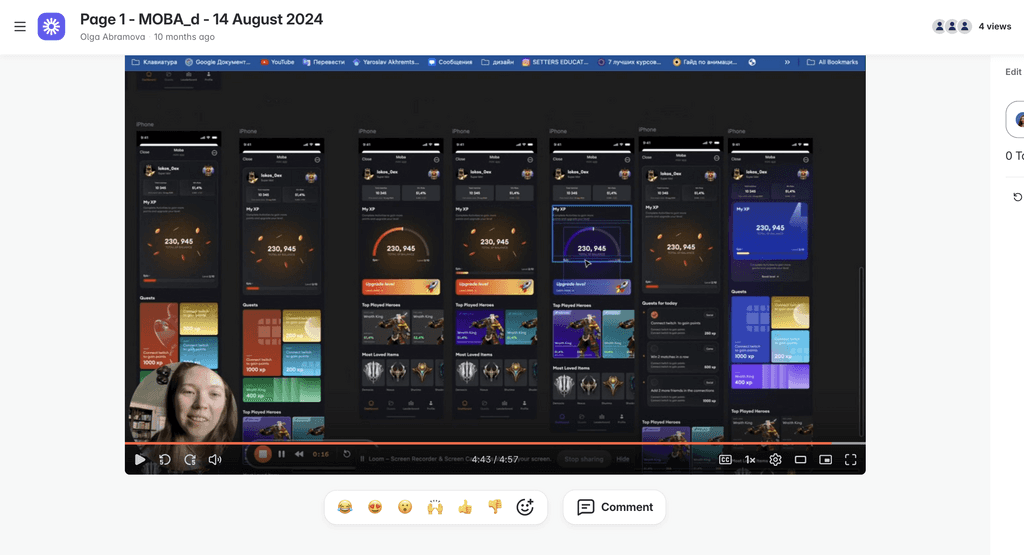
For the next product version, I adapted the current interface for desktop use. We also moved some features to the backlog — hiding the Farm section and shifting focus to social mechanics like Leagues and the Leaderboard.

To support the next phase of the product, the interface was adapted for desktop use with a strategic shift toward social and competitive features. While some gameplay mechanics were moved to the backlog, this version focuses on building community engagement through Leagues, Leaderboards, and performance tracking.

Dota Dashboard & Farm Statuses
Developed a dashboard to show real-time Dota 2 stats alongside current farming activity.

Farming Inventory and lootbox
Enabled users to authenticate via Steam directly in the app, unlocking their first game stats and profile setup.

Leagues Mechanic Integration
Integrated the Leagues feature into the desktop UI, allowing users to track seasonal performance. New hypothesis, wasn't previously tested on mobile version

Leagues Mechanic View
Expanded League views with ranking logic and user progression to enhance social competition.
We experimented with multiple formats — ultimately designing Hero Cards and Winrate Stats that could be auto-generated. The main task was to present player stats in a visually engaging way, inspired by the Spotify Wrapped style — while also embedding a referral link leading back to the Moba app.
Since Telegram story posts render differently across devices and have no standardized guidelines, we ran multiple test iterations and redesigns to ensure clarity, accessibility, and visual consistency across screens.

Tested formats, auto-generated content, and referral-driven design — all optimized for Telegram’s unpredictable layout.
One of the key challenges was creating dynamic content for user-generated posts — cards that automatically pulled winrate data, hero stats, and personalized visuals. Inspired by formats like Spotify Wrapped, the goal was to make them both visually engaging and easy to understand at a glance.
At the same time, each card needed to include a referral link to drive traffic back to the Moba app — without disrupting the visual hierarchy.
With Telegram Stories offering no design guidelines and varying safe zones across devices, we ran multiple iterations and test runs to ensure cross-device accessibility and clarity. The result: a format that’s fun to share, informative, and conversion-friendly.





[ My impact in deliverables ]
Developed a scalable and consistent design system, including components, tokens, and documentation
Designed responsive interfaces optimized for both mobile and desktop, ensuring accessibility and usability
Created interactive prototypes in Figma to validate user flows and collaborate effectively with stakeholders
Created and presented visual style concepts that defined the product’s aesthetic
Actively shaped the product vision during team calls, aligning with both development and marketing directions
Took full ownership of the UI/UX design process, from wireframes to final high-fidelity mockups
Took ownership of the entire design process, from early concepts to final delivery
Designed the user interface and built a comprehensive design system for consistent scalability
Maintained close collaboration with the core team, especially developers, to ensure seamless implementation
Adapted the interface to follow Telegram's design guidelines and best practices for optimal platform integration
Finaly Spent over 400 hours playing Dota 2 to deeply understand the game and its community